Cart (0)
Your cart is empty
Looks like you haven't added anything yet... Let's get started!
Continue Shopping
Your cart is empty
.jpg)
When you're choosing summer clothes or underwear, you want to find something light and beautiful at the same time. Something that won't feel stifling in the heat, that sits pleasantly against your skin, that looks just as good as silk. Viscose is a fabric that combines all of this — and costs significantly less than natural silk.
There are a lot of myths surrounding viscose. Some people think it's cheap synthetic fabric, some confuse it with polyester, and some simply don't know where it comes from. Let's figure out what this material actually is.
Let's start with the basics. What is viscose? It's a fibre derived from wood. Yes, from actual trees. Cellulose is taken from beech, pine, eucalyptus, or bamboo, ground up, treated with special solutions, and turned into a viscous mass. In Latin, viscosus means "sticky" — hence the name.
This mass is then forced through tiny holes. The result is threads, which are then woven into fabric.
So is viscose a natural fabric or not? It's a tricky question. The raw material is natural, since cellulose comes from trees, but the manufacturing process involves chemical treatment. So the most accurate way to put it is this: it's an artificial fibre of natural origin. Something in between cotton and synthetics.
Viscose was invented back in the 1890s, when the goal was to create an affordable alternative to silk. It worked out well. The material quickly became popular and has remained so ever since. Over a hundred years on the market — that speaks for itself.
Why pay attention to this material at all? Viscose fabric is a combination of several useful qualities — and ones that rarely come together in a single material.
Take viscose in your hands and you'll immediately understand what we mean. It's soft. Genuinely soft, with no stiffness or roughness whatsoever. It feels gentle against the skin and doesn't cause irritation.
Another bonus: viscose has a light coolness to it, doesn't stick, and doesn't create a greenhouse effect — which matters a great deal in summer.
If you're wondering what viscose fabric is like in terms of practicality, here's your answer: it breathes. Air passes freely through the fibres, and your skin doesn't overheat.
There's something else, too. Viscose absorbs moisture roughly 40 percent better than cotton. You work up a little sweat — the fabric takes in the moisture and gradually releases it outward, so you stay dry, without that feeling of a wet T-shirt clinging to your back.
Viscose takes dye beautifully, producing rich and deep colours, while prints on viscose look sharp and stay vibrant for a long time.
The texture can vary as well. Matte viscose resembles cotton, while the shiny variety looks like silk. There are also options with a light crinkled texture. So it's one material with many possibilities — something both designers and anyone who simply wants to look good can appreciate.
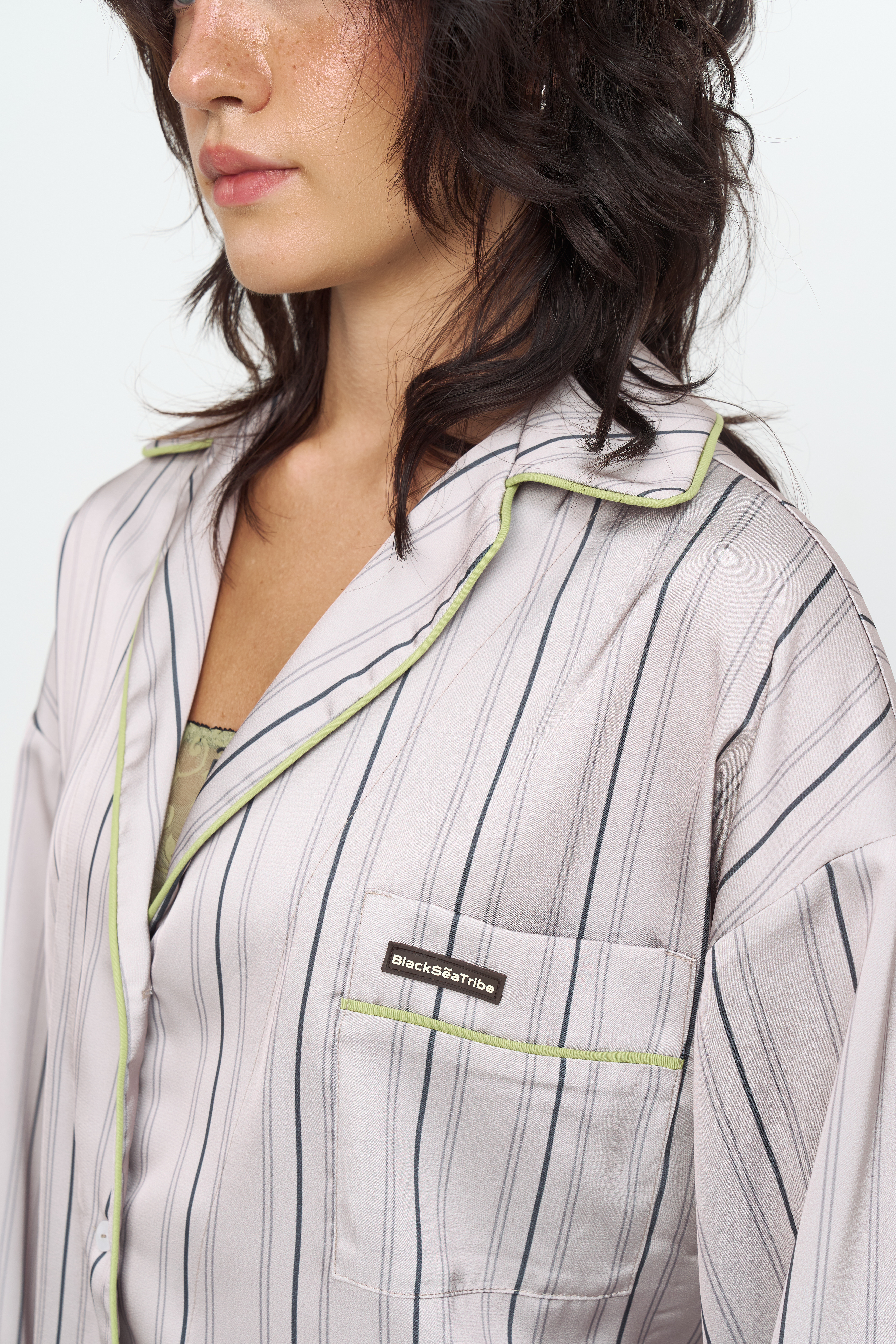
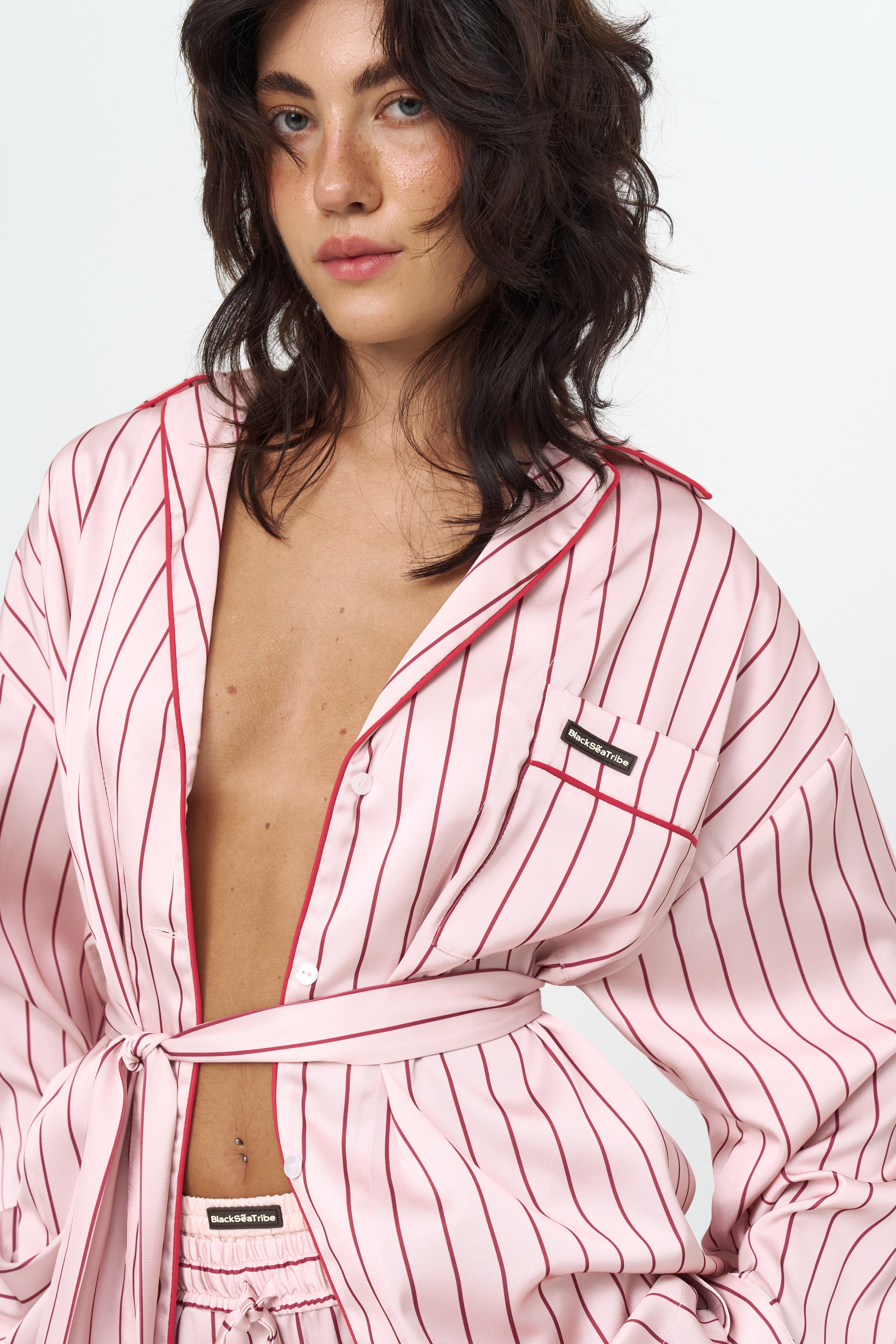
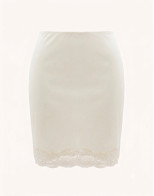
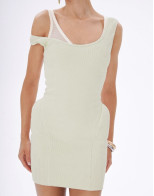
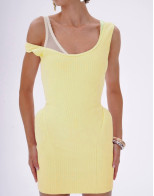
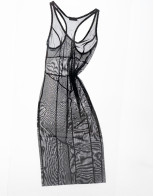
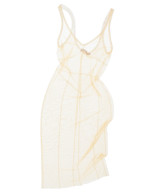
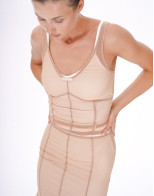
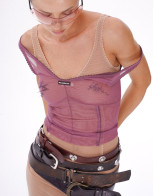
Viscose fabric has a wide range of applications — it's used to make dresses, blouses, shirts, and tunics, as well as loungewear: pyjamas, robes, and light sets for relaxing at home.
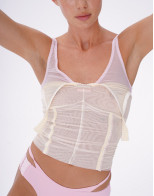
Underwear deserves a special mention. Viscose is soft, doesn't chafe, and lets skin breathe — and for items you wear all day long, that's critically important, especially in summer when your body needs maximum comfort.
Viscose also makes wonderful summer sets — loose trousers, weightless kimonos, beach cover-ups. The fabric drapes beautifully, forms soft folds, and holds its shape, so these pieces look more expensive than they are and are perfectly suited to everyday wear.
Now let's talk about the practical side. Viscose — what is this fabric like when it comes to care? It does require some attention, but nothing overly complicated.
The main rule is gentleness. Viscose doesn't respond well to rough handling, so the water temperature should be no higher than 30 degrees, and the wash cycle should be delicate or hand wash. If you're using a machine, place the item in a mesh laundry bag — this will protect it from unnecessary friction.
Choose mild detergents, free from chlorine and bleaching agents. Don't wring viscose items — simply squeeze the water out gently by hand.
It's best to dry flat: lay the item out on a level surface covered with a towel — this will help it keep its shape and prevent stretching. Avoid drying on a radiator or in direct sunlight, as the fibres can be damaged.
Store viscose items on hangers or neatly folded. Hangers work well for dresses and shirts, while knitwear is better kept on a shelf so it doesn't stretch out at the shoulders.
Iron on the reverse side and set a medium temperature — the "silk" setting works perfectly. You can use a steam function or iron through a thin cloth to avoid leaving shiny marks on the fabric.
It's best to iron while the item is still slightly damp — creases smooth out more easily and quickly that way.
Let's be honest: viscose has both strengths and characteristics to keep in mind.
On the plus side: it breathes, feels pleasant against the body, looks great, doesn't cause allergies, and is suitable for sensitive skin. In summer it keeps you cool, and in winter it provides warmth under a sweater.
On the quirks side — when wet, viscose becomes vulnerable: the fibres weaken and can lose their shape, which is exactly why wringing and twisting are not recommended. This material can also shrink after the first wash, so choose items with a little extra room or follow the care instructions carefully.
At BlackSeaTribe, viscose is valued for its versatility — it fits perfectly into the brand's philosophy, where comfort and aesthetics go hand in hand: light pieces for hot days, soft underwear for everyday wear, elegant sets for leisure.
Every item is made to a size guide, and production takes 3–5 business days. Payment can be made by card, Apple Pay, Google Pay, or USDT cryptocurrency; instalment payments through PrivatBank are also available.
Delivery across Ukraine is handled by Nova Poshta at the carrier's rates. For international orders of 110 euros or more, delivery is free; for orders under 110 euros, the shipping cost is €15.
So, viscose combines the best qualities of natural and technically advanced materials: it's lightweight, breathable, pleasant to the touch, and looks elegant — making it one of the best choices for summer clothing and underwear.
The key is proper care: washing on a gentle cycle, drying flat, and ironing at a medium temperature. Follow these simple rules, and your favourite pieces will bring you joy for a long time to come.